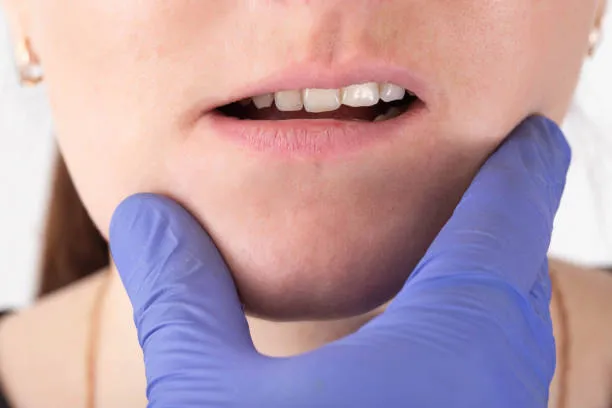
Oral Cancer Symptoms: Hidden Signs You Should Never Ignore
Recognizing oral cancer symptoms early can make a significant difference in protecting your overall health. While many mouth changes are harmless, some warning signs deserve immediate attention. Unfortunately, these symptoms are often subtle, which makes them easy to overlook.
At Warren County Dental Center, we believe that awareness is one of the most powerful tools for maintaining good oral health. Understanding the signs of oral cancer and knowing when to seek professional evaluation can help you take proactive steps toward protecting your smile and your well-being.
Why Early Detection Matters
Oral cancer can affect different areas of the mouth, including:
Lips
Tongue
Gums
Cheeks
Floor of the mouth
Roof of the mouth
Throat
Because symptoms may develop gradually, many people mistake them for minor dental problems. However, identifying changes early allows for timely diagnosis and appropriate treatment.
Routine dental visits play an important role because dentists often detect unusual changes before patients notice them.
Understanding Oral Cancer Warning Signs
Some symptoms may seem harmless at first. However, persistent changes should never be ignored.
Persistent Mouth Sores
One of the most common signs of oral cancer symptoms is a sore that does not heal.
Normal mouth ulcers usually improve with time. However, a sore that remains unchanged or becomes increasingly painful deserves professional evaluation.
Red or White Patches
Red patches or white patches inside the mouth may indicate abnormal tissue changes.
These patches can appear on:
Tongue
Gums
Inner cheeks
Roof of the mouth
While not every patch signals cancer, they should always be examined by a dental professional.
Unexplained Bleeding
Bleeding without an obvious cause may be another warning sign.
Although gum disease can lead to bleeding, persistent or unusual bleeding should not be dismissed.
Lumps or Thickened Areas
Changes in tissue texture can sometimes indicate deeper issues.
Pay attention to:
Bumps
Thickened areas
Swelling
Areas that feel different from the surrounding tissues
Any noticeable change should be evaluated promptly.
Oral Cancer Symptoms That Affect Everyday Activities
Some symptoms interfere with routine functions and may gradually worsen.
Difficulty Chewing
Discomfort while chewing can develop when abnormal tissue affects the mouth or jaw.
Many people assume the problem is related to tooth sensitivity or cavities. However, ongoing discomfort should be examined.
Trouble Swallowing
Difficulty swallowing is another symptom that should never be ignored.
If eating or drinking becomes uncomfortable, it may indicate changes involving the throat or surrounding tissues.
Persistent Sore Throat
A sore throat that lingers without improvement deserves attention.
Although infections are common causes, chronic irritation may require further investigation.
Changes in Speech
Some individuals notice:
Slurred speech
Voice changes
Difficulty pronouncing certain words
These symptoms may develop gradually and should not be overlooked.
Tongue Cancer Symptoms to Watch For
The tongue is one of the most common areas affected by oral cancer.
Signs may include:
Pain in the Tongue
Persistent discomfort or tenderness may indicate tissue changes.
Difficulty Moving the Tongue
Restricted movement can affect speech and eating.
Unusual Spots
White or red areas on the tongue should always be examined.
A Lump on the Tongue
Any new growth or thickened area requires professional assessment.
Mouth Sores Cancer Symptoms Versus Common Canker Sores
Many people wonder how to distinguish ordinary sores from more concerning symptoms.
Typical Canker Sores
Common canker sores usually:
Heal naturally
Cause temporary discomfort
Appear occasionally
Potential Oral Cancer Sores
Concerning sores may:
Persist for extended periods
Become larger over time
Bleed easily
Cause increasing pain
Because visual differences can be difficult to identify, professional evaluation is essential.
Risk Factors Associated With Oral Cancer
Although anyone can develop oral cancer, certain factors may increase risk.
Tobacco Use
Smoking and other tobacco products have long been associated with oral cancer.
Alcohol Consumption
Heavy alcohol use may contribute to increased risk.
Sun Exposure
Excessive sun exposure can affect the lips and surrounding tissues.
Human Papillomavirus
Certain strains of HPV have been linked to cancers involving the mouth and throat.
Age and Genetics
Family history and aging may also influence risk.
Understanding these factors can encourage regular oral health screenings.
Symptoms People Often Ignore
Some early warning signs are frequently mistaken for minor problems.
These include:
Chronic bad breath
Ear pain without infection
Numbness in the mouth
Loose teeth without injury
Jaw stiffness
Changes in denture fit
Because these symptoms can have various causes, evaluation by a dentist remains important.
How Oral Cancer Screening Helps
Oral cancer screening is a simple but valuable part of preventive dental care.
During an examination, your dentist checks for:
Unusual sores
Tissue abnormalities
Changes in color
Swelling
Lumps
Areas of tenderness
Screenings are painless and can provide peace of mind while helping identify concerns early.
Why Regular Dental Visits Are Important
Many people associate dental appointments with cleanings and cavities. However, routine visits offer much more.
Dentists are trained to recognize subtle changes that patients may miss.
At Warren County Dental Center, comprehensive examinations include careful evaluations designed to support long-term oral health and overall wellness.
When Should You Schedule an Appointment?
Consider seeking professional evaluation if you notice:
A sore that does not heal
Persistent sores should always be assessed.
Unusual patches
Red or white areas deserve attention.
Difficulty swallowing
Changes affecting eating or drinking should not be ignored.
Chronic throat discomfort
Lingering irritation may indicate underlying issues.
Unexplained pain
Persistent discomfort without a clear cause requires investigation.
Prompt evaluation helps rule out serious conditions and provides reassurance.
Maintaining Good Oral Health
Preventive care supports overall wellness and may reduce the risk of many oral diseases.
Healthy habits include:
Brushing consistently
Daily brushing helps maintain healthy teeth and gums.
Flossing regularly
Flossing removes plaque from difficult-to-reach areas.
Avoiding tobacco
Limiting tobacco use benefits both oral and general health.
Eating a balanced diet
Nutritious foods support tissue health and immune function.
Visiting your dentist regularly
Routine examinations remain one of the best ways to monitor oral health.
Final Thoughts
Recognizing oral cancer symptoms is an important part of protecting your health. Although many mouth changes are harmless, persistent sores, unusual patches, lumps, or difficulty swallowing should never be ignored.
At Warren County Dental Center, we are committed to helping patients maintain healthy smiles through preventive care and comprehensive oral examinations. Regular dental visits provide an opportunity to identify potential concerns early and support long-term wellness.
If you have noticed any unusual changes in your mouth or have concerns about the signs of oral cancer, do not wait for symptoms to worsen. Schedule an appointment with the team at Warren County Dental Center today. Early evaluation can provide reassurance, answer your questions, and help protect both your oral health and your overall well-being.
Your health deserves attention, and early detection matters. Whether you are due for a routine dental exam or would like an oral cancer screening for peace of mind, the experienced team at Warren County Dental Center is here to help. Contact us today to schedule your visit and take a proactive step toward safeguarding your smile and overall health.
Frequently Asked Questions
1. What are the earliest oral cancer symptoms?
Common early signs include persistent mouth sores, red or white patches, and unusual lumps inside the mouth.
2. Are all mouth sores cancer?
No. Most mouth sores are harmless. However, sores that do not heal should be examined by a dental professional.
3. Can oral cancer develop without pain?
Yes. Early stages may not cause discomfort, which is why regular dental examinations are important.
4. What do oral cancer patches look like?
They may appear red, white, or mixed in color and can occur on the tongue, gums, cheeks, or roof of the mouth.
5. Does bad breath indicate oral cancer?
Persistent bad breath alone does not mean cancer is present. However, when combined with other symptoms, professional evaluation is recommended.
6. How often should oral cancer screenings be performed?
Regular dental checkups provide opportunities for routine screenings and early detection.
