
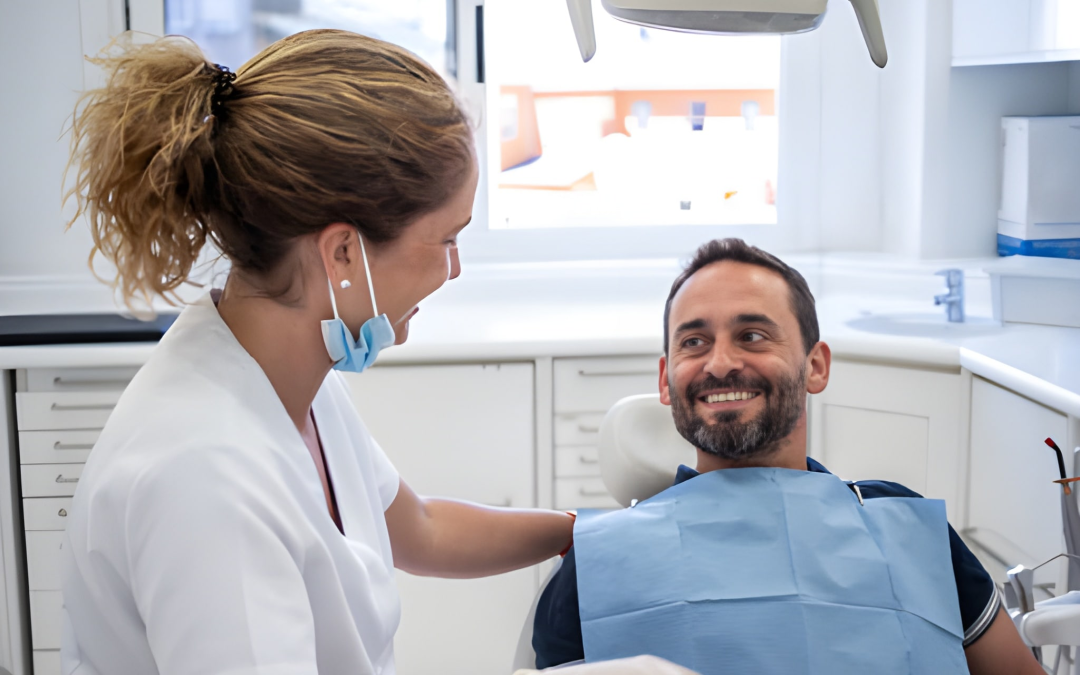
Oral cancer treatment in Warren County is a serious yet treatable condition when detected early. Access to expert care and modern technology plays a crucial role in successful recovery. Patients seeking oral cancer treatment in Warren County can now benefit from advanced diagnostic tools and minimally invasive procedures designed to preserve oral health and overall well-being.
At Warren County Dental Center, our experienced dental professionals combine precision, technology, and compassion to provide comprehensive oral cancer screenings and treatments tailored to each patient’s needs.
Understanding Oral Cancer
Oral cancer dentist Warren County refers to the abnormal growth of cells in the mouth, lips, tongue, or throat. It often develops in areas that come into direct contact with harmful substances like tobacco or alcohol.
What Causes Oral Cancer
Several risk factors contribute to oral cancer development:
- Tobacco and alcohol use
- Prolonged exposure to UV rays
- Human papillomavirus (HPV) infection
- Poor oral hygiene
- Genetic predisposition
Common Symptoms and Early Warning Signs
Recognizing symptoms early can improve treatment success rates. Look for:
- Persistent mouth sores that do not heal
- White or red patches inside the mouth
- Difficulty chewing or swallowing
- Unexplained bleeding
- Lumps in the neck or jaw area
If you notice any of these signs, schedule a professional oral cancer screening in Warren County immediately.
Why Early Detection of Oral Cancer Is Critical
Early detection is vital for effective oral cancer treatment in Warren County. When diagnosed in the initial stages, the survival and recovery rates improve significantly.
Dentists at Warren County Dental Center use advanced imaging and biopsy techniques to identify suspicious lesions and provide accurate diagnoses. Regular dental checkups play a crucial role in early detection and long-term prevention.
Advanced Oral Cancer Treatment Options in Warren County
Modern dental and medical facilities in Warren County offer a range of treatment options based on the stage and location of the cancer.
Surgical Treatment for Oral Cancer
Surgery remains one of the most common and effective treatment methods. The goal is to remove cancerous tissue while preserving as much healthy tissue as possible.
Radiation Therapy
High-energy beams target cancer cells to shrink tumors and prevent them from spreading. Radiation therapy is often used after surgery or in combination with other treatments.
Chemotherapy and Targeted Therapy
Chemotherapy uses specialized drugs to destroy cancer cells, while targeted therapy focuses on specific cellular mechanisms that promote cancer growth.
Reconstructive Dental Procedures
After oral surgery, reconstructive dental procedures help restore oral function, appearance, and comfort. Advanced dental implants and tissue grafting can significantly improve the quality of life.
Comparing Oral Cancer Treatment Methods
| Treatment Option | Purpose | Recovery Time | Best For |
| Surgery | Removes cancerous tissue | Moderate | Localized tumors |
| Radiation Therapy | Destroys residual cancer cells | Moderate | Post-surgical support |
| Chemotherapy | Treats widespread cancer | Longer | Advanced cases |
| Targeted Therapy | Blocks specific cancer growth proteins | Varies | Personalized treatment |
| Reconstructive Procedures | Restores oral structure | Varies | Post-surgical recovery |
Choosing the Right Oral Cancer Specialist in Warren County
Selecting the right care provider is essential for effective and compassionate treatment.
Credentials and Experience
Ensure your oral cancer specialist has extensive training in oral oncology care and reconstructive dental care. Experience in handling complex cases contributes to better outcomes.
Technology and Equipment
Look for clinics equipped with advanced imaging tools, biopsy systems, and laser-assisted surgical instruments. These technologies improve accuracy and comfort during diagnosis and treatment.
Patient Support and Care
A comprehensive treatment plan includes post-treatment monitoring, dietary guidance, and emotional support. Warren County Dental Center emphasizes holistic care for every patient.
Preventive Measures for Oral Cancer
While not all cases are preventable, adopting healthier habits can reduce the risk:
- Quit smoking and avoid tobacco use
- Limit alcohol consumption
- Maintain a balanced diet rich in fruits and vegetables
- Use lip protection with SPF when outdoors
- Schedule regular dental checkups for oral screenings
Consistent monitoring and lifestyle changes can play a key role in prevention and early intervention.
Conclusion
Oral cancer requires timely attention and expert care. Advanced oral cancer treatment in Warren County offers patients a path to recovery through innovative therapies and personalized dental care.
At Warren County Dental Center, we focus on early detection, precise diagnosis, and effective treatment tailored to each patient’s unique needs. Protect your oral health today. Contact us to schedule a consultation or oral cancer screening and take the first step toward a healthier future.
Frequently Asked Questions (FAQ)
- What are the first signs of oral cancer?
Common early symptoms include persistent mouth sores, white or red patches, and difficulty swallowing.
- Is oral cancer curable?
Yes, when detected early, oral cancer can be treated successfully using surgery, radiation, or chemotherapy.
- How is oral cancer diagnosed?
Diagnosis involves a physical exam, imaging tests, and a biopsy to confirm the presence of cancer cells.
- Who is most at risk for oral cancer?
Individuals who use tobacco or alcohol frequently, or have a history of HPV, face higher risks.
- How often should I get screened for oral cancer?
Regular dental visits every six months are recommended for early detection and prevention.
Recent Comments